Safety Net Systems in Singapore A Practical Guide for Real World Safety
Safety at height never feels optional. One loose step can turn a normal workday into a long story nobody wants to tell. In Singapore, Safety Net systems play a vital role in construction, industrial sites, warehouses, and even residential projects. A safety net works like a silent guardian. It stays unnoticed until the moment it saves a life. That moment matters more than any deadline.
This article explains safety net systems with clarity and logic. It follows real standards, trusted authorities, and practical experience. You will not find random claims here. You will find facts, structure, and a human approach that respects both workers and search engines.
What Is a Safety Net and Why It Matters
A safety net is a protective system designed to catch a person or object during a fall. It reduces injury risk and prevents fatal accidents. In workplaces where people operate at height, a safety net adds a critical layer of protection.
Singapore places strong emphasis on fall prevention. The Ministry of Manpower highlights falls from height as a leading cause of workplace injuries. A safety net directly addresses this risk. It works as a collective safety solution, which means it protects everyone on site without relying on individual behavior.
Think of it as a seatbelt for the entire site. You hope you never need it, but you would never drive without one.
Types of Safety Net Systems Used in Singapore
Different projects require different safety net systems. Each type serves a specific purpose based on location, height, and risk level.
Horizontal Safety Nets
Horizontal safety nets install below work areas. They catch falling workers or materials. Construction sites often use them under slabs, bridges, or rooftops.
These nets provide wide coverage. They reduce fall distance and lower impact force. Workers feel more confident when they know a net supports them from below.
Vertical Safety Nets
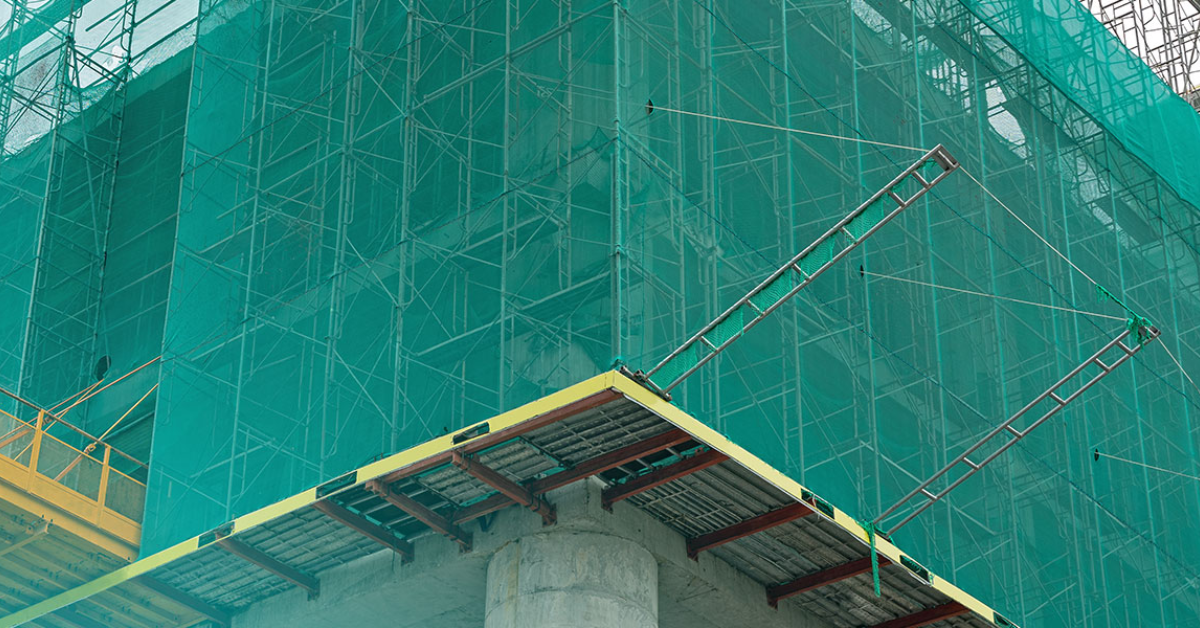
Vertical safety nets act as barriers along building edges or scaffolding. They prevent people and debris from falling outward.
High rise construction relies heavily on vertical nets. They protect workers and pedestrians below. Nobody enjoys a surprise falling object, especially in a busy city.
Debris Safety Nets
Debris nets focus on object containment rather than fall arrest. They stop tools, materials, and waste from dropping into unsafe zones.
These nets improve site cleanliness and safety at the same time. They also help projects comply with local safety requirements.
Safety Net Materials and Design Standards
A safety net works only as well as its materials and design. Quality never stays optional when lives depend on it.
Most safety nets use high tensile polypropylene or nylon fibers. These materials offer strong load resistance, flexibility, and durability in tropical weather.
Trusted standards guide safety net design and testing. International Organization for Standardization provides guidelines for net strength and performance. European standard EN 1263 also sets widely accepted benchmarks for safety nets used in construction.
In Singapore, safety professionals align installation and inspection with guidance from the Ministry of Manpower. This alignment ensures nets meet legal and practical safety expectations.
Installation Practices That Actually Protect Lives
Correct installation makes all the difference. A poorly installed safety net creates false confidence, which is more dangerous than no net at all.
Trained professionals should handle installation. They calculate drop height, clearance space, and anchor strength. They also ensure correct tension across the net surface.
Installers must secure anchor points to stable structures. They must avoid sharp edges that could damage fibers. Regular inspection keeps the net reliable throughout the project.
Safety works best when everyone respects the process. Cutting corners saves time until it costs everything.
Inspection and Maintenance Requirements
Safety nets do not enjoy a set and forget life. Regular inspection keeps them effective.
Inspectors check for tears, UV damage, loose anchors, and contamination. Singapore weather includes strong sun and heavy rain. Both affect net performance over time.
Maintenance includes cleaning, re tensioning, and replacing damaged sections. Records of inspections help demonstrate compliance and responsibility.
A clean net performs better. It also looks professional, which never hurts when auditors visit.
Legal and Regulatory Expectations in Singapore
Singapore enforces strict workplace safety regulations. The Workplace Safety and Health Act places responsibility on employers and contractors to manage fall risks.
Safety nets serve as an approved control measure when work at height cannot be avoided. Authorities expect proper planning, installation, and supervision.
Failure to comply can result in penalties, stop work orders, or worse, serious injury. Following regulations protects workers and businesses at the same time.
Safety laws exist because gravity never negotiates.
Benefits of Using Safety Nets Beyond Compliance
Many people see safety nets only as a legal requirement. That view misses the bigger picture.
Safety nets improve productivity. Workers feel safer and focus better. Fewer accidents mean fewer delays and lower insurance costs.
They also protect tools and materials. Dropped equipment damages budgets faster than most people expect.
From a reputation standpoint, a safe site builds trust with clients and authorities. Trust opens doors that shortcuts never will.
Common Myths About Safety Nets
Some myths continue to circulate, usually whispered during coffee breaks.
One myth claims safety nets encourage careless behavior. Research from occupational safety bodies shows the opposite. Proper safety systems promote confidence, not recklessness.
Another myth suggests safety nets cost too much. Accidents cost far more in medical bills, downtime, and legal trouble.
Safety nets do not replace training or supervision. They support them. Safety works best as a system, not a single solution.
Choosing the Right Safety Net Provider
Selecting a safety net provider requires more than price comparison. Experience, certification, and knowledge matter.
A reliable provider understands local regulations. They offer proper documentation, testing reports, and trained installers.
Ask about inspection routines and after installation support. Safety does not end once the net goes up.
A good provider speaks clearly and avoids vague promises. If they sound unsure, your safety might be unsure too.
Safety Nets and Sustainable Construction
Sustainability now plays a role in construction decisions. Safety nets contribute by reducing material loss and waste.
By catching falling debris, nets prevent damage and rework. This efficiency supports greener construction practices.
Durable nets also last longer when maintained properly. Longevity reduces replacement frequency and environmental impact.
Safety and sustainability can work together without conflict. That combination deserves applause.
Trusted Sources and Industry References
This article aligns with guidance from the Ministry of Manpower Singapore, Workplace Safety and Health Council, International Organization for Standardization, and European safety standards authorities.
These organizations publish regulations, codes of practice, and research based on real world data. Industry professionals rely on them to design and manage safe working environments.
Using recognized standards strengthens site credibility and supports long term safety goals.
Final Thoughts on Safety Net Systems
A safety net does more than catch a fall. It protects families waiting at home. It supports businesses aiming for excellence. It turns risk into responsibility.
In Singapore’s fast paced construction and industrial sectors, safety nets remain a proven solution. They combine logic, engineering, and care for human life.
Choosing the right safety net system means choosing preparation over regret. Gravity never takes a day off, but with the right safety net, you do not have to fear it either.
Short decisions create long consequences. Smart safety choices create better stories to tell at the end of the day.